

The global retail landscape is evolving rapidly. Supermarkets and large retail chains are no longer dependent only on national brands. Today, private label food products are driving higher margins, stronger brand loyalty, and better pricing control.
Private label food manufacturing allows retailers to sell products under their own brand name while production is handled by an experienced third-party manufacturer. As global demand rises, retailers are increasingly searching for the best private label food manufacturers in India to support scalable and compliant retail growth.
India has emerged as a leading hub for private label food manufacturing, especially in ready-to-eat (RTE), shelf-stable, and multi-ethnic food categories.
Why Private Label Food Is Growing Globally
Private label products are expanding across supermarkets, club stores, value retail chains, and online grocery platforms. Retailers prefer private label manufacturing because it offers:
- Higher profit margins
- Better pricing flexibility
- Stronger brand differentiation
- Reduced direct competition
- Control over product innovation
Modern consumers now trust store brands as much as national brands, especially when quality, packaging, and compliance standards meet global expectations.
To succeed in this competitive environment, retailers require a reliable, export-ready private label food manufacturer.
Why India Is a Leading Hub for Private Label Food Manufacturing
India has become a strategic sourcing destination for global retailers due to several competitive advantages:
- Large-scale production capacity
- Advanced food processing technology
- Skilled technical workforce
- Strong agricultural supply base
- Competitive manufacturing costs
- Established export infrastructure
Over the past two decades, Indian food manufacturers have significantly upgraded compliance systems. Many facilities now operate under international certifications such as BRC, SQF, HACCP, and USFDA guidelines.
This makes India a trusted partner for supermarkets across the USA, Canada, Australia, Europe, and the Middle East.
Key Factors That Define the Best Private Label Food Manufacturers in India
Not every manufacturer is equipped to support global retail chains. The best private label food manufacturers stand out based on the following capabilities:
1. Food Safety Certifications and Global Compliance
Retailers cannot compromise on food safety. A qualified manufacturing partner must comply with:
- BRC or GFSI-recognised certifications
- HACCP systems
- USFDA registration (for U.S. exports)
- Strict labeling and traceability standards
Compliance ensures smooth retail approvals and long-term brand credibility.
2. Scalable Production Capacity
Large retail chains require a consistent high-volume supply. The ideal manufacturer should offer:
- Automated production lines
- High annual output capacity
- Backup power and system redundancy
- Flexible batch production
Scalable manufacturing ensures smooth supply during demand spikes, seasonal promotions, and international expansion.
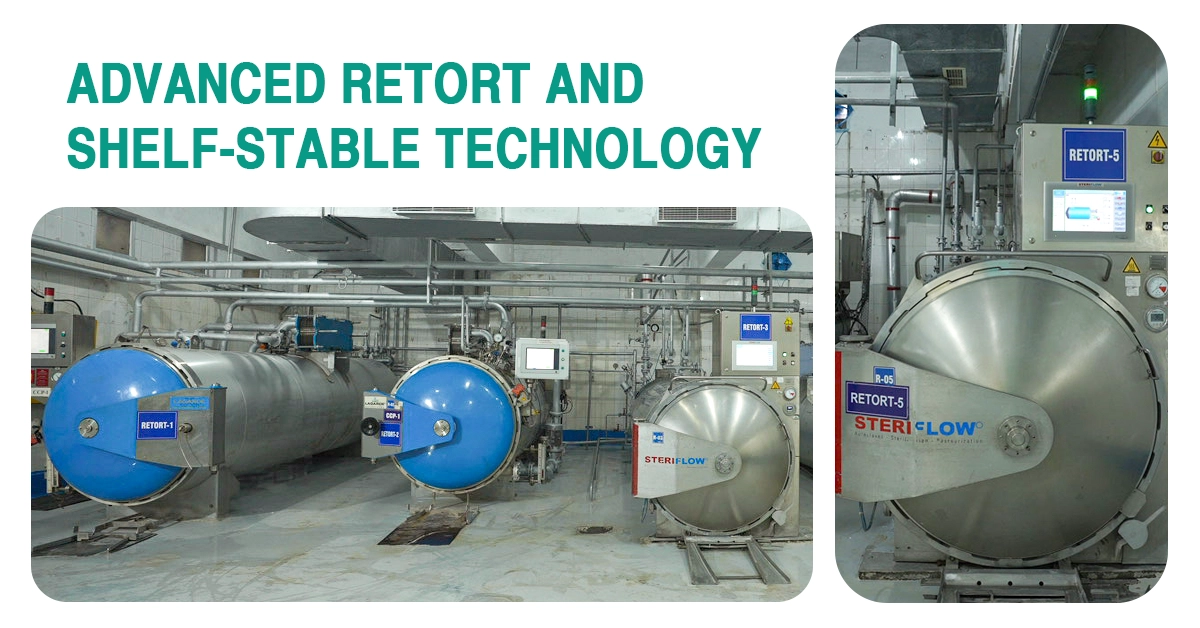
3. Advanced Retort and Shelf-Stable Technology
One of India’s strongest capabilities lies in retort processing for shelf-stable foods.
Retort technology heats sealed food pouches at approximately 121°C to eliminate harmful bacteria. This process:
- Extends shelf life up to 18–24 months
- Eliminates the need for preservatives
- Maintains taste and nutritional value
- Reduces cold-chain dependency
Shelf-stable meals are ideal for supermarkets, club stores, institutional buyers, and export markets.
4. Strong R&D and Product Innovation
Retail markets evolve constantly. Consumers now demand:
- Plant-based meals
- Organic options
- High-protein and high-fiber products
- Multi-ethnic flavors
- Clean-label formulations
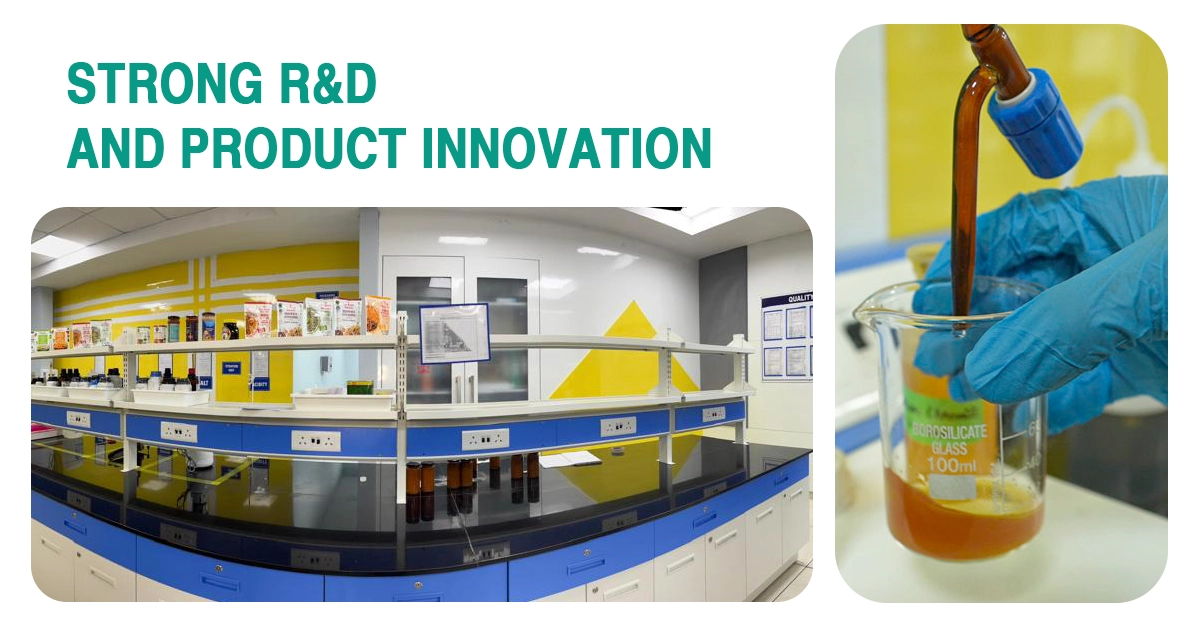
The best food contract manufacturers maintain in-house R&D teams to develop customised SKUs and innovative recipes aligned with global food trends.
5. Robust Export and Supply Chain Infrastructure
Global retail success depends heavily on supply chain reliability. A strong private label manufacturer should provide:
- Export documentation expertise
- Efficient container loading systems
- Warehousing capabilities
- Inventory planning support
- International logistics coordination
Reliable export systems reduce delays and ensure consistent shelf availability.
India’s Strength in Ready-to-Eat and Shelf-Stable Private Label Foods
India has built strong expertise in ready-to-eat private label food manufacturing, especially in shelf-stable categories such as:
- Microwavable rice
- Pasta meals
- Plant-based entrées
- Multi-ethnic curries
- Simmer sauces
These products do not require refrigeration before opening, making them cost-efficient for global transport and retail storage.
Advanced retort processing and automated packaging systems allow Indian OEM food manufacturers to deliver consistent quality across large production volumes.
Experience and Industry Knowledge Matter
Retailers should prioritise manufacturers with 10+ years of export experience. Experienced partners understand:
- International labelling regulations
- Retail packaging formats
- Pricing sensitivity in global markets
- Consumer taste adaptation
- Audit and compliance management
Industry experience reduces risk and improves long-term retail success.
Sustainability and Responsible Manufacturing
Modern retail buyers increasingly evaluate sustainability practices. Leading Indian private label manufacturers implement:
- Recyclable or reduced-plastic packaging
- Wastewater treatment systems
- Ethical workforce policies
- Responsible sourcing practices
Sustainable production strengthens retailer reputation and builds long-term partnerships.
Why Global Retailers Continue to Choose India
International supermarket chains are expanding their sourcing partnerships with Indian manufacturers because:
- Quality standards meet global benchmarks
- Technology is modern and scalable
- Production costs remain competitive
- Skilled R&D teams support innovation
- Export systems are structured and efficient
India’s private label food sector now includes value-added, shelf-stable, plant-based, and ready-to-eat solutions, not just basic commodity products.
Partnering with the Right Private Label Manufacturer
Private label manufacturing is more than production; it is a long-term strategic partnership.
The right manufacturer collaborates with retailers to:
- Develop custom SKUs
- Optimise pack sizes for different store formats
- Improve cost efficiency
- Maintain consistent delivery schedules
- Plan product line expansion
Strong communication, transparency, and compliance systems are essential for global retail success.
As a 100% export-oriented private label food manufacturer, Regal Kitchen Foods Limited supports global retailers with advanced retort processing, shelf-stable packaging solutions, scalable production systems, and international compliance standards designed for modern retail growth.
Conclusion
The demand for private label food products continues to grow across global retail markets. To support this expansion, retailers must work with experienced, certified, and scalable manufacturing partners.
The best private label food manufacturers in India combine:
- International food safety certifications
- Advanced processing technology
- Large production capacity
- Strong R&D innovation
- Reliable export systems
- Sustainable manufacturing practices
Choosing the right partner directly impacts retail profitability, brand loyalty, and long-term market expansion.
India will remain a key global hub for private label food manufacturing, especially in ready-to-eat and shelf-stable categories that support efficient, modern retail models.
Frequently Asked Questions (FAQs)
Private label food manufacturing is when products are produced by a manufacturer but sold under a retailer’s own brand name.
India offers competitive production costs, advanced food processing technology, strong export infrastructure, and globally recognised certifications.
BRC, HACCP, GFSI recognition, and USFDA registration are important certifications for global retail supply.
Yes. Many Indian food contract manufacturers operate automated, scalable production lines suitable for high-volume international retail chains.


