

The global demand for convenient, high-quality meals is rising rapidly and Ready-to-Eat Indian Food is at the forefront of this transformation. By combining authentic flavours with modern food processing technology, Indian ready meals are becoming a preferred choice for international retailers, food service operators, distributors, and private label brands.
With busy lifestyles, expanding urban populations, and increasing global exposure to Indian cuisine, Ready-to-Eat Indian Food is emerging as a scalable and profitable solution in the international food export market.
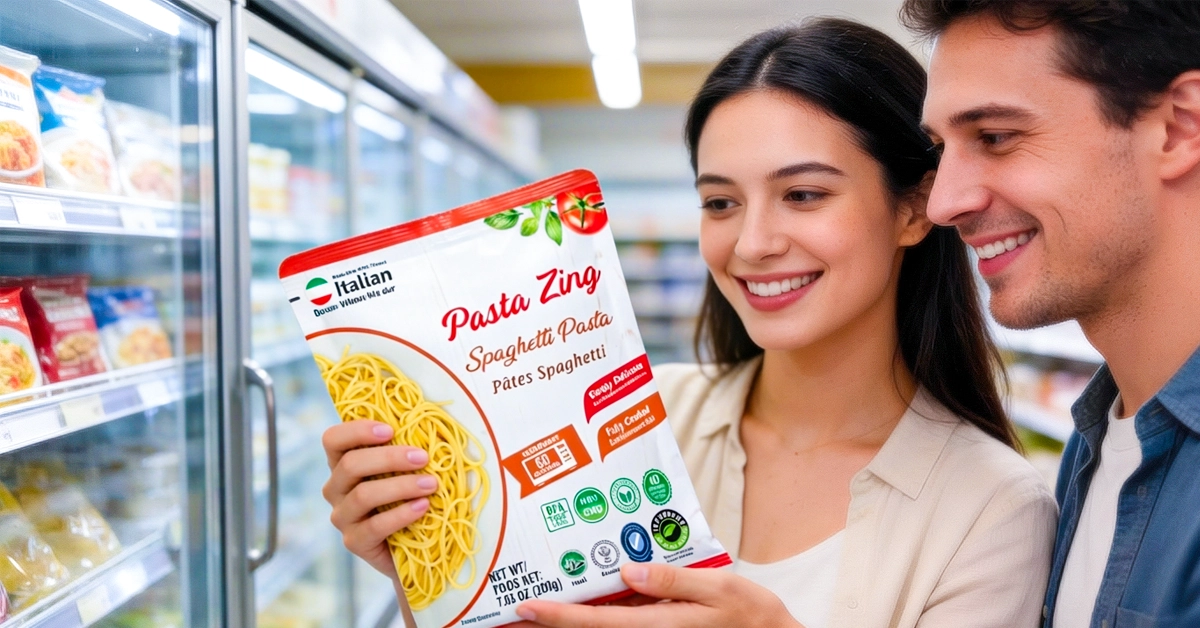
What Is Ready-to-Eat Indian Food?
Ready-to-Eat Indian Food includes fully cooked Indian meals that require minimal or no preparation before serving. These products are processed using advanced preservation methods such as retort technology, ensuring:
- Long shelf life without refrigeration
- Retention of taste, texture, and aroma
- Nutritional stability
- Compliance with international food safety standards
These meals are ideal for:
- Supermarkets and retail chains
- Airlines and railway catering
- Corporate cafeterias
- Hotels and resorts
- Hospitals and educational institutions
- Wholesale and distribution networks
By reducing cooking time and kitchen dependency, Ready-to-Eat Indian Food helps businesses improve operational efficiency while maintaining authentic taste.
Why Ready-to-Eat Indian Food Is Expanding Globally
1. Rising Demand for Convenient Ethnic Meals
Consumers worldwide are seeking quick meal options that do not compromise on flavor. Indian cuisine, known for its rich spices and comforting recipes, fits perfectly into the growing convenience food segment.
2. Increasing Popularity of Indian Cuisine
Global travel, cultural exchange, and digital exposure have increased international awareness of Indian food. As demand grows, Ready-to-Eat Indian Food offers a consistent and accessible way to enjoy traditional dishes.
3. Shelf-Stable Food Innovation
Modern retort packaging and hygienic processing allow Ready-to-Eat Indian Food to remain safe and fresh for extended periods without preservatives, making it ideal for export markets.
4. Growth of Retail and Private Label Brands
Retailers are expanding their ethnic food offerings. Partnering with Indian manufacturers allows them to launch private label Ready-to-Eat Indian Food products with lower investment and faster market entry.
5. Alignment with Plant-Based Food Trends
Indian cuisine naturally includes a wide variety of vegetarian and plant-based recipes, aligning with global demand for sustainable and meat-free food options.
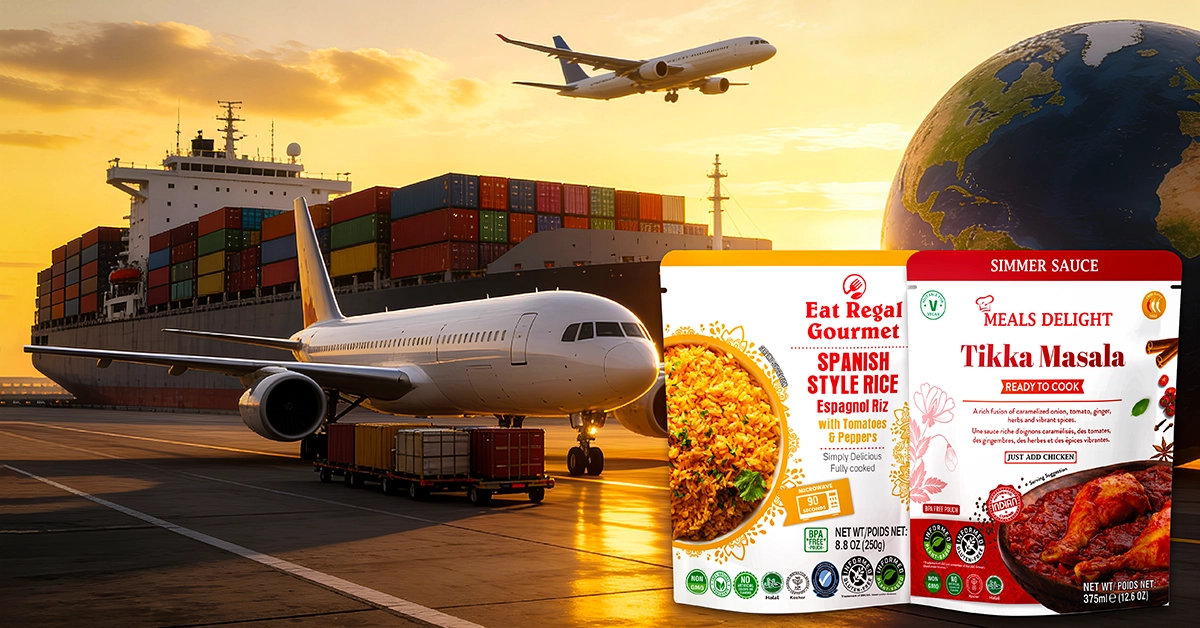
Popular Categories in Ready-to-Eat Indian Food
The diversity of Indian cuisine makes it highly adaptable for global markets. Popular categories include
- Traditional Indian Curries—Paneer gravies, chickpea curry (chole), kidney beans (rajma), and mixed vegetable dishes
- Lentil Dishes (Dal)—Protein-rich vegetarian options
- Rice-Based Meals—Jeera rice, pulao, and flavored basmati rice
- Heat-and-Serve Indian Breads
- Regional Specialties – Authentic dishes representing various states of India
- Ready-to-Eat Breakfast Options
This wide range supports menu expansion across multiple food service formats.
Benefits of Ready-to-Eat Indian Food for Businesses
Operational Efficiency – Reduces preparation time and skilled labor requirements.
Cost Optimization—Lowers overhead expenses while improving margins.
Consistency in Taste and Quality – Ensures uniform flavor across batches and locations.
Reduced Food Waste—Longer shelf life improves inventory management.
Scalable Distribution – Easy to transport and store, making it export-friendly.
How Technology Supports the Ready-to-Eat Indian Food Industry
Retort Processing Technology
Meals are cooked and sealed in heat-resistant pouches, then sterilized to ensure food safety and extended shelf life at room temperature.
Automated Production Systems
Automation enhances consistency, improves efficiency, and minimizes human error.
Stringent Quality Control
Comprehensive testing ensures safety, hygiene, and nutritional standards across the supply chain.
Sustainable Packaging Innovations
Manufacturers are increasingly adopting eco-friendly packaging materials to meet global sustainability expectations.
Choosing a Reliable Ready-to-Eat Indian Food Manufacturer
When selecting an export partner, businesses should evaluate:
- International food safety certifications
- Production capacity and scalability
- Advanced packaging capabilities
- Customization options for spice levels and regional preferences
- Private label manufacturing support
A reliable manufacturing partner plays a critical role in global market success.
Regal Kitchen Foods Limited: Certified Quality for Global Markets
A leading manufacturer in this space is Regal Kitchen Foods Limited, known for delivering premium Ready-to-Eat Indian Food solutions to international clients.
The company focuses on:
- Authentic Indian recipes crafted for global tastes
- Advanced retort processing infrastructure
- Strict quality assurance systems
- Scalable production capacity
- Customised private label manufacturing
By combining traditional culinary expertise with modern food technology, Regal Foods Ingredient Limited enables retailers, distributors, and hospitality brands to expand their Ready-to-Eat Indian Food portfolios with confidence.
Future Trends in Ready-to-Eat Indian Food
The industry continues to evolve with emerging consumer preferences:
- Clean-label and preservative-free products
- High-protein and functional meal options
- Premium gourmet flavors
- Expansion of plant-based and vegan alternatives
- Growth of online grocery and e-commerce platforms
These trends indicate sustained long-term growth for Ready-to-Eat Indian Food exports.
Conclusion
Ready-to-Eat Indian Food represents a strong growth opportunity in the global convenience food industry. With increasing demand for authentic ethnic flavors, shelf-stable innovation, and scalable production capabilities, Indian ready meals are well-positioned to meet international market needs.
For retailers, distributors, and food service operators, investing in Ready-to-Eat Indian Food is not just a trend, it is a strategic move toward long-term expansion in a rapidly evolving global food landscape.


