Blog
Scalable Ready-To-Eat Food Manufacturing for Retailers Worldwide

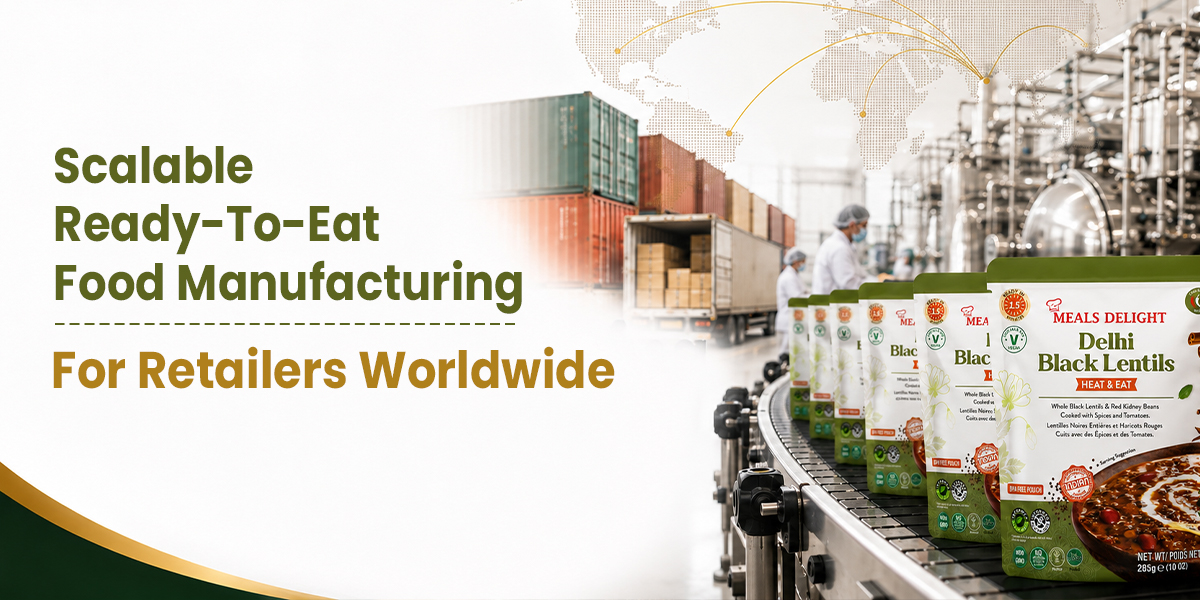
The global food industry is changing rapidly. Consumers today expect food products that are convenient, safe, easy to prepare, and available at affordable prices. Because of this shift, demand for Ready-To-Eat (RTE) food products continues to grow across supermarkets, club stores, online retail platforms, and foodservice channels.
For retailers and distributors, scaling these product categories requires reliable manufacturing partners with strong production capabilities, food safety systems, and global supply chain experience.
This is where Scalable Ready-To-Eat Food Manufacturing becomes important.
Growing Demand for Ready-To-Eat Food Products
Modern consumers are living busier lifestyles. They want meals that are:
- Quick to prepare
- Easy to store
- Consistent in quality
- Suitable for modern retail formats
As a result, categories such as:
- Microwavable rice
- Shelf-stable pasta
- Ready meals
- Simmer sauces
- Plant-based entrées
We are seeing strong global demand.
Retailers are expanding shelf space for Ready-To-Eat Shelf Stable Foods because these products offer convenience and operational efficiency.
Why Scalability Matters in Food Manufacturing
For retailers and private label brands, production scalability is critical.
A successful product launch can quickly increase demand across multiple markets. Manufacturers must be able to support:
- High production volumes
- Consistent supply
- Flexible packaging formats
- Fast turnaround times
Without scalable infrastructure, retailers may experience delays, stock shortages, and supply chain disruptions.
Large-scale manufacturing systems help ensure long-term retail stability.
The Role of Shelf-Stable Technology
One of the biggest growth drivers in RTE food is shelf-stable manufacturing.
Products processed using retort sterilization technology can remain safe for long periods without refrigeration or preservatives.
This technology provides several benefits:
- Extended shelf life
- Reduced food waste
- Easier transportation
- Lower storage costs
For global retail distribution, shelf-stable products simplify logistics and inventory planning.
Food Safety and Global Compliance
Food safety is one of the most important factors in global food manufacturing.
Retailers and distributors expect manufacturers to follow internationally recognized standards such as:
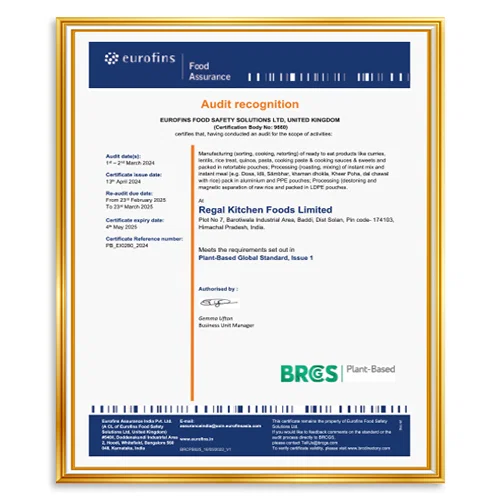
- BRC
- SQF
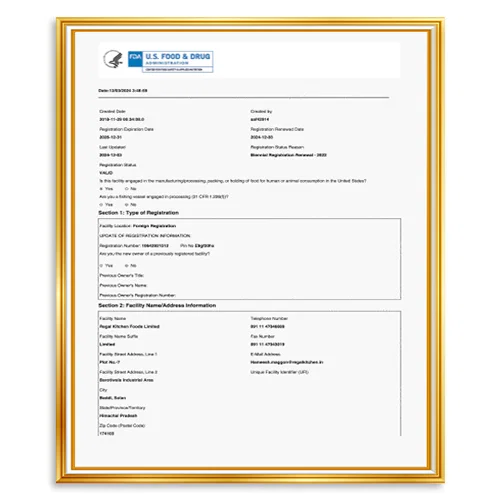
- USFDA compliance
- GFSI-recognized systems
Organizations like the Global Food Safety Initiative help establish global food safety benchmarks for international supply chains.
Reliable manufacturers also maintain:
- Quality assurance systems
- Product traceability
- Laboratory testing procedures
- Production monitoring systems
Strong compliance programs reduce operational risk for retailers.
Importance of Private Label Manufacturing
Many retailers are expanding their own Private Label Ready-To-Eat Food Products to improve margins and strengthen brand identity.
Private label allows retailers to:
- Control pricing
- Customize products
- Increase customer loyalty
- Differentiate from competitors
Experienced manufacturers support these programs by offering scalable production, product development, and flexible packaging solutions.
Packaging Solutions for Modern Retail
Packaging plays a major role in RTE food success.
Modern consumers expect packaging that is:
- Convenient
- Durable
- Microwavable
- Retail-ready
Popular packaging formats include:
- Retort pouches
- Single-serve bowls
- Meal boxes
- Tray packs
Premium packaging also improves shelf visibility and brand positioning.
Supply Chain Strength and Global Distribution
Efficient supply chains are essential for large-scale retail operations.
Manufacturers with strong logistics systems help retailers manage:
- Inventory planning
- Export operations
- Warehousing
- International distribution
According to the Food and Agriculture Organization, resilient supply chains are critical for global food availability and retail continuity.
Reliable supply systems become even more important when serving multiple countries and retail channels.
Innovation and Product Development
Consumer preferences continue to evolve.
Retailers now look for:
- Plant-based meals
- Organic products
- High-protein options
- Multi-ethnic flavors
Manufacturers with strong R&D capabilities help brands respond quickly to these trends.
Innovation also supports long-term category growth and retail competitiveness.
Scalable Manufacturing Infrastructure Matters
When selecting a manufacturing partner, retailers should evaluate:
- Production capacity
- Automation systems
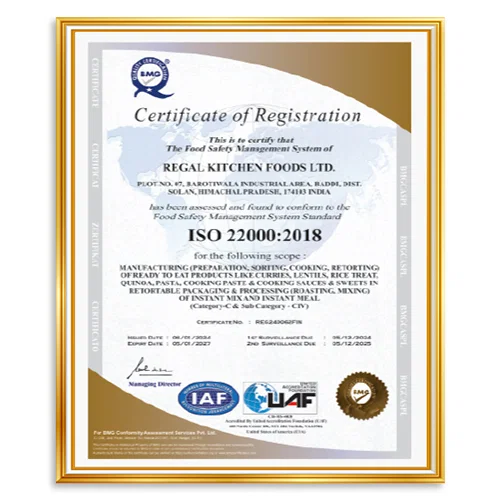
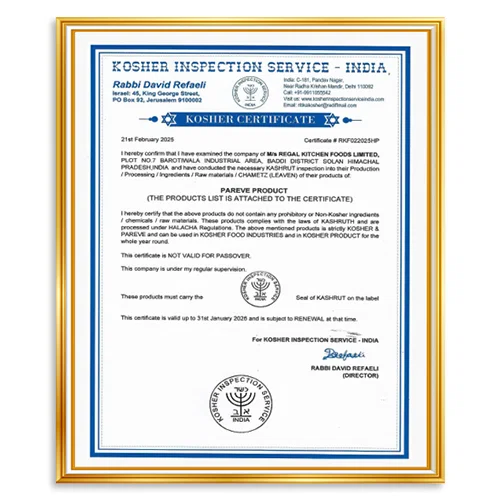
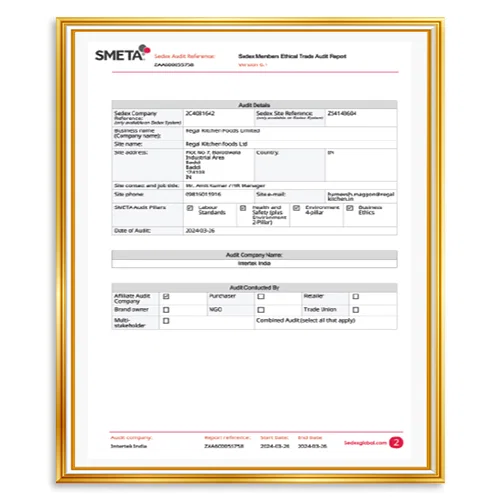
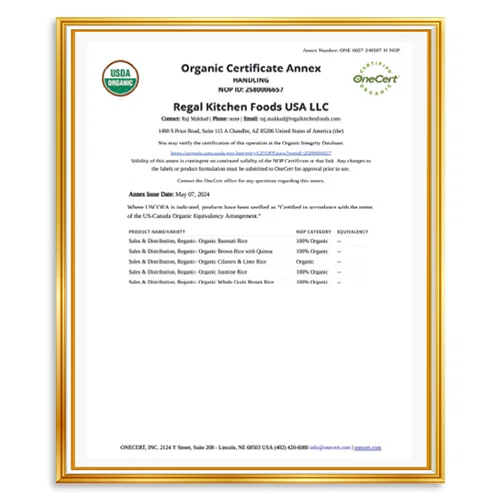
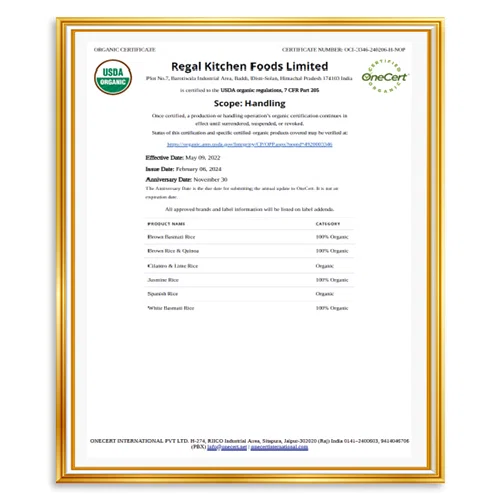
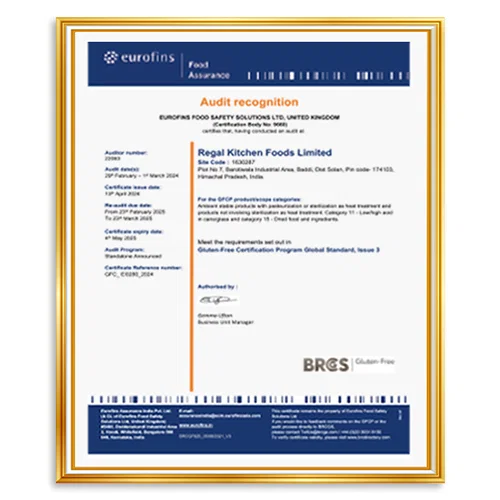
- Quality certifications
- Supply chain capability
- Packaging flexibility
For example, Regal Kitchen Foods operates scalable manufacturing infrastructure with 23,000 tons annual production capacity and supply capability across 20+ global supermarket chains.
This level of operational scale supports large retail programs and long-term supply reliability.
Final Thoughts
The demand for Ready-To-Eat Shelf Stable Food Products is expected to continue growing as retailers focus on convenience, operational efficiency, and global distribution.
For retailers and private label brands, scalable manufacturing is essential to maintaining supply consistency and supporting category expansion.
By partnering with experienced Ready-To-Eat Food Manufacturers, brands gain access to advanced technology, food safety systems, scalable production infrastructure, and global supply chain support.
In today’s competitive retail environment, scalable RTE food manufacturing is not just a production advantage; it is a strategic growth solution.